Source Handheld Toxic Gas Detector for Hotel, Station, and Pier
Find and compare 30 handheld toxic gas detector models suitable for industrial, security, and public space applications. These portable devices feature IP66/IP67 protection, audible and visual alarms, and electrochemical sensors for reliable combustible and toxic gas detection in confined or emergency environments.
Key considerations
Products List




Comprehensive Sourcing Guide
Handheld Toxic Gas Detector Sourcing Guide
Procurement teams must first distinguish between portable units designed for general hotel or station environments and those built for high-risk industrial security checks. The observed product range includes models with varying alarm forms, such as audible, visual, and vibrational systems, which dictate suitability for noisy or low-visibility rescue scenarios. Buyers should verify that the specific unit selected matches the intended application, whether it is for confined space entry, fire protection, or routine museum inspections, as the sensor technology and housing durability differ significantly between these use cases.
When evaluating the physical form factor, it is critical to confirm whether the device meets the specific portability requirements of your operational team. Some listed models feature compact dimensions suitable for single-person carry, while others may be larger units intended for stationary or vehicle-mounted deployment. The power supply configuration, often a DC 3.7V lithium battery, must align with the expected shift duration and charging infrastructure available on-site. Ensuring the device offers a standby time of at least eight hours is essential for continuous monitoring without frequent interruption for recharging.
Product Scope and Observed Listing Signals
The market for handheld toxic gas detectors presents a diverse array of specifications, ranging from single-gas sensors for carbon monoxide to multi-gas systems capable of detecting combustible gases and hydrogen sulfide. Buyers should note that response times vary, with some units achieving a T90 of 60 seconds while others may take up to 90 seconds to reach full sensitivity. This variance directly impacts the safety margin in emergency situations, requiring procurement officers to prioritize faster response models for high-hazard environments like prisons or piers where rapid detection is non-negotiable.
Packaging and customization options also serve as key signals for the intended market segment of a specific listing. While some products arrive in standard cartons or paper packing, others are shipped in robust wooden cases to protect sensitive electronics during long-distance transport. The availability of customization allows buyers to tailor the device to specific operational needs, whereas non-customized models offer a standardized solution for general industrial use. Understanding these logistical details helps in forecasting total landed costs and ensuring the equipment arrives in a condition ready for immediate deployment.
Technical Specifications to Verify
Verification of the detection principle is the most critical technical step, as electrochemical sensors are typically used for toxic gases while low-power infrared is preferred for combustible gases. Buyers must confirm that the chosen model supports the specific gas mixture required for their site, such as single-gas detection for carbon monoxide or multi-gas capabilities for complex industrial hazards. The diffusion measurement method is standard for many handheld units, but the sensor's high sensitivity and repeatability must be validated to ensure accurate readings over the device's operational lifespan.
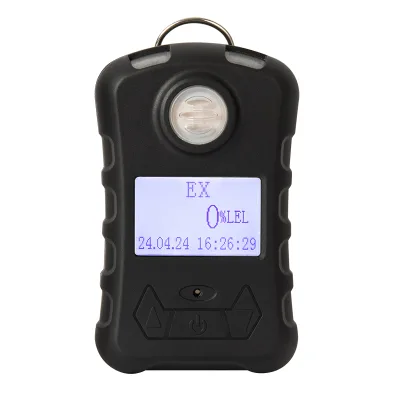
The display and alarm mechanisms provide the primary interface for the operator and must be rigorously tested for clarity and reliability. A high-definition color display or a 1.5-inch LCD screen ensures that real-time data is easily readable in various lighting conditions, while a triple alarm system combining sound, light, and vibration offers redundant warnings in critical situations. Additionally, the protection rating, observed as IP66 or IP67 in some listings and IP68 in others, determines the device's resistance to dust and water immersion, which is vital for outdoor or wet environment applications.
Compliance and Safety Documentation
Safety compliance is paramount when sourcing equipment for hazardous environments, and buyers must demand proof of intrinsic safety certification for devices used in explosive atmospheres. The observed listings indicate the presence of CE and ISO certifications, which are essential for market access and general safety assurance, but specific explosion-proof ratings must be verified against local regulatory requirements. Without documented proof of these safety standards, the device may not be legally operable in certain industrial zones or emergency rescue scenarios where strict adherence to safety codes is enforced.
Beyond general certifications, the warranty and self-test functionality provide a layer of operational assurance that the device is functioning correctly before every use. A standard one-year warranty is common, but the comprehensive self-test feature that performs full system diagnostics upon startup is a crucial quality indicator for maintaining continuous reliability. Procurement teams should ensure that the documentation includes clear instructions on how to interpret these self-test results and what steps to take if a diagnostic failure occurs, ensuring that the device does not provide false confidence during a critical monitoring event.
Cost Drivers and Commercial Terms
The total cost of ownership is influenced heavily by the sensor technology and the complexity of the alarm and data storage systems. Units featuring extensive data storage capable of holding up to 100,000 data points and advanced communication interfaces like infrared or optional base stations command a higher price point than basic models. Buyers should evaluate whether the need for detailed data logging and real-time communication justifies the additional investment, as these features are often essential for compliance reporting and long-term safety analysis in large-scale industrial operations.
Commercial terms such as minimum order quantity and lead times vary significantly across the observed product range, with some suppliers offering flexible MOQs as low as one unit while others may have higher thresholds. The observed price range spans from affordable entry-level units to high-end professional systems, requiring a clear budget definition before engaging with suppliers. It is advisable to clarify whether the quoted price includes the cost of the battery, charging accessories, and any required calibration services, as these hidden costs can significantly impact the final procurement budget.
Supplier Qualification and Quality Control
Supplier qualification should focus on the manufacturer's ability to provide consistent quality control and after-sales support for complex electronic devices. The presence of a robust construction shell and high-strength materials suggests a focus on durability, but buyers must verify the supplier's track record in delivering products that withstand the rigors of daily industrial use. Requesting sample units for independent testing is a prudent step to validate claims regarding response time, protection ratings, and battery life before committing to a larger order.
Quality control processes must extend beyond the initial manufacturing stage to include rigorous testing of the alarm systems and sensor accuracy. Suppliers should be able to demonstrate their internal testing protocols for the triple alarm system and the high-sensitivity electrochemical sensors to ensure they meet the specified performance standards. Establishing a clear communication channel for technical support and troubleshooting is equally important, as any delay in resolving sensor drift or display issues can compromise the safety of the personnel relying on the device.
Long-Term Procurement Checks
Long-term procurement success depends on the availability of replacement parts and the supplier's commitment to product lifecycle management. As sensor technology evolves, buyers must ensure that the supplier can provide compatible replacement sensors or updated firmware to maintain the device's accuracy and compliance with changing safety standards. The ability to service the device, particularly the battery and display components, is critical for extending the operational life of the equipment and protecting the initial investment.
Regular calibration and maintenance schedules must be integrated into the procurement strategy to ensure ongoing reliability and regulatory compliance. Buyers should verify that the supplier offers calibration services or provides clear guidelines for in-house calibration procedures to maintain the accuracy of the gas detection readings. Establishing a proactive maintenance plan that includes periodic checks of the self-test functionality and battery health will prevent unexpected failures and ensure that the handheld toxic gas detector remains a reliable tool for safety monitoring over its entire service life.
FAQs
What certifications do handheld toxic gas detectors have?
These devices typically hold RoHS, ISO, and CE certifications to ensure compliance with international safety and environmental standards. Such credentials verify that the manufacturing processes and materials meet rigorous regulatory requirements for industrial and security applications, providing buyers with confidence in product quality and legal market access.
How long is the standby time for portable models?
Portable handheld units generally offer a standby time of at least eight hours on a single charge. This duration supports extended field operations without frequent recharging, ensuring continuous monitoring capability during shifts. The devices usually utilize DC 3.7V lithium batteries to maintain reliable performance in various environments.
Can these detectors be customized for specific needs?
Customization is available for many handheld toxic gas detectors to suit particular operational requirements. Buyers can often request specific configurations or features to align with their unique safety protocols. This flexibility allows organizations to tailor the equipment for specialized industrial, security, or emergency rescue scenarios effectively.
What is the protection rating for rugged handheld detectors?
Rugged handheld detectors often feature IP66 or IP67 protection ratings to withstand harsh conditions. Some advanced models achieve IP68 standards for superior dust and water resistance. These ratings ensure the devices remain functional and safe during use in demanding environments, including confined spaces or outdoor industrial sites.
Which gases can single-gas detectors identify?
Single-gas detectors are designed to identify specific toxic gases such as Carbon Monoxide or Hydrogen Sulfide. These devices use electrochemical or infrared detection principles to provide accurate readings. They are essential for monitoring specific hazards in fire protection, emergency rescue, and confined space entry operations.
What alarm forms are included in these devices?
These devices typically include audible, visual, and vibrational alarm forms to ensure alerts are noticed in noisy or dark environments. Some models also feature display alarms for clear status updates. This triple alarm system enhances safety by providing multiple redundant warnings when hazardous gas levels are detected.